Information
Landmark: Salar de UyuniCity: Uyuni
Country: Bolivia
Continent: South America
Salar de Uyuni, Uyuni, Bolivia, South America
Overview
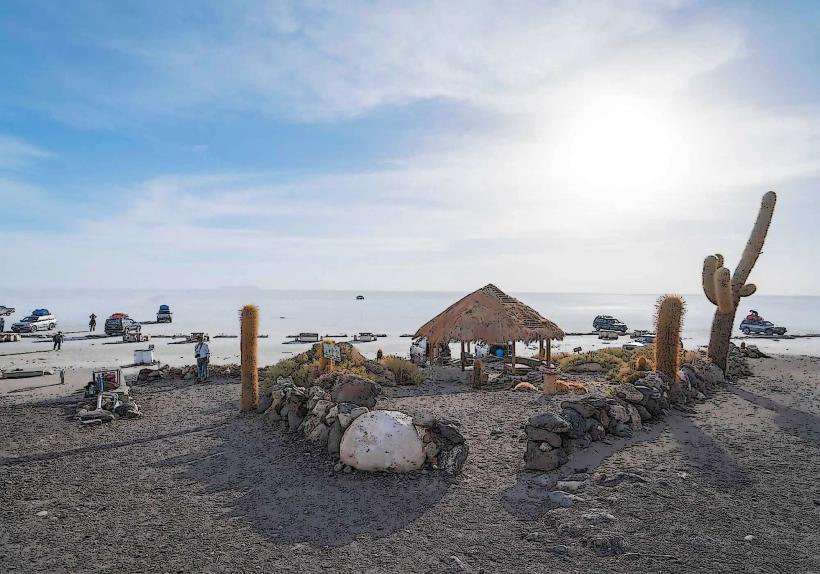
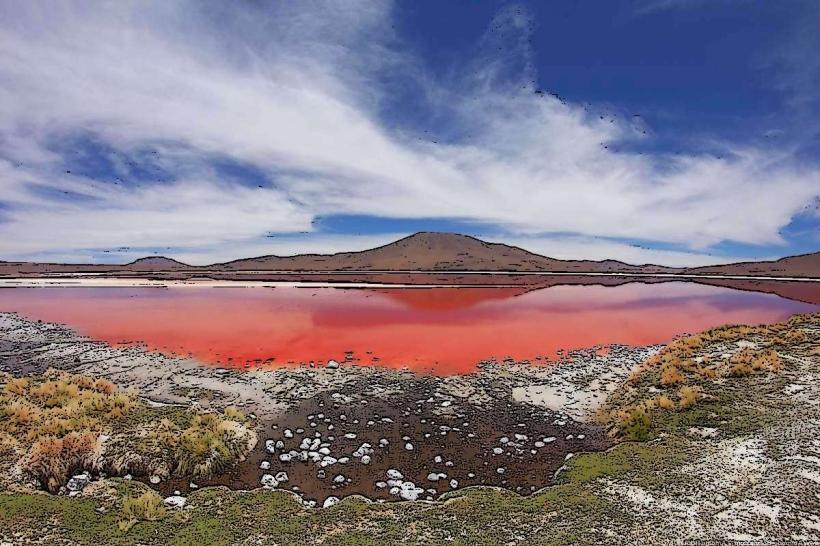
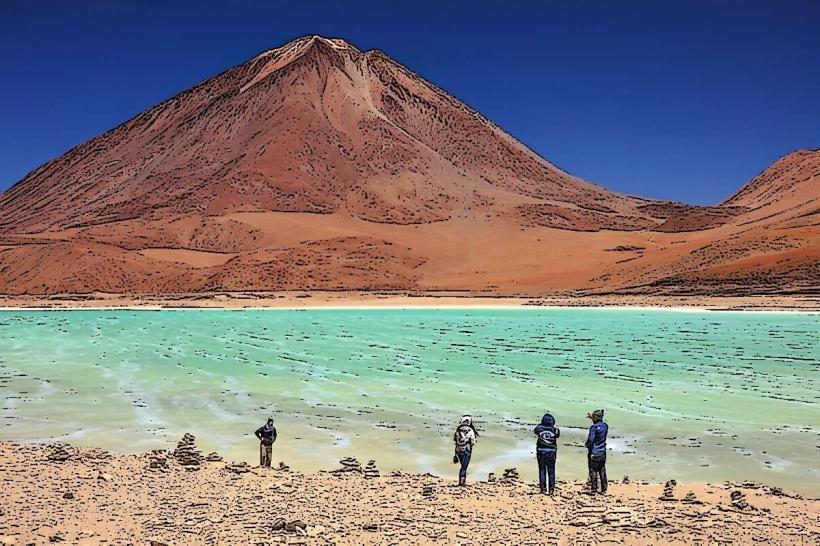
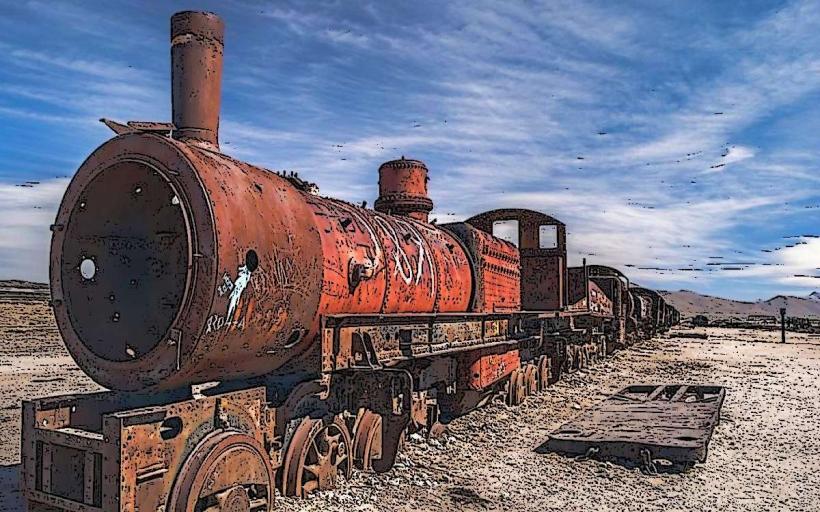
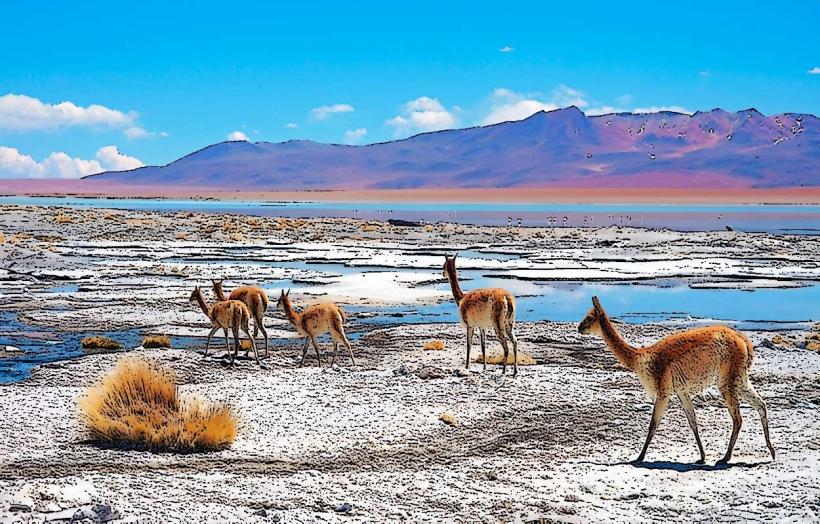
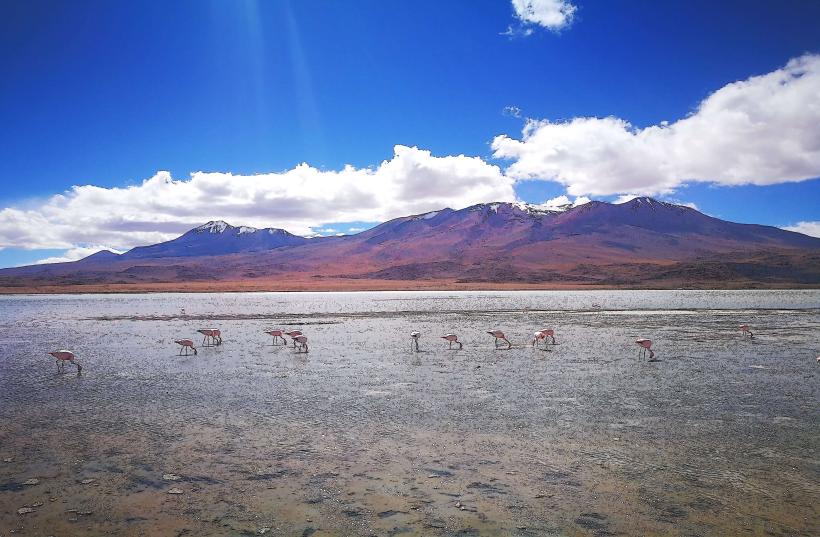
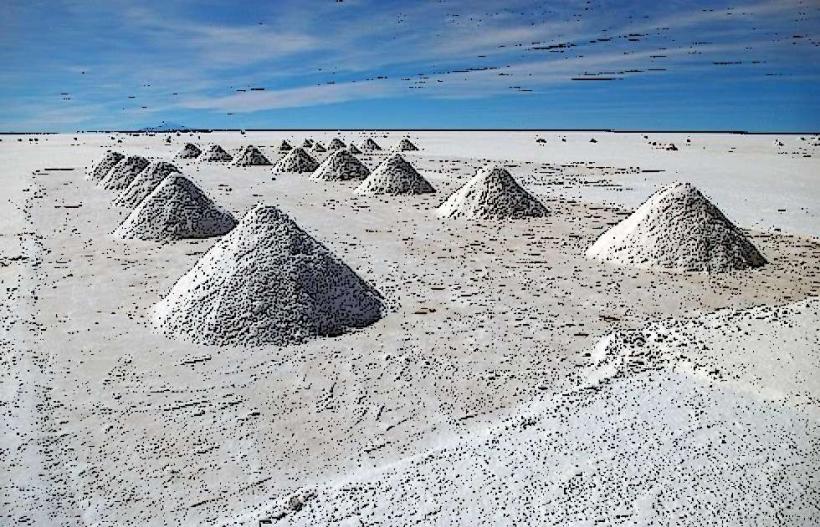
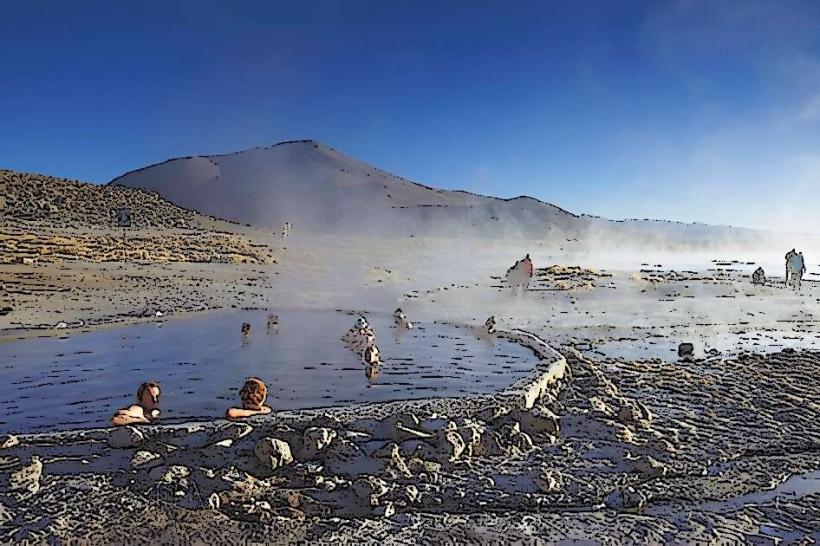
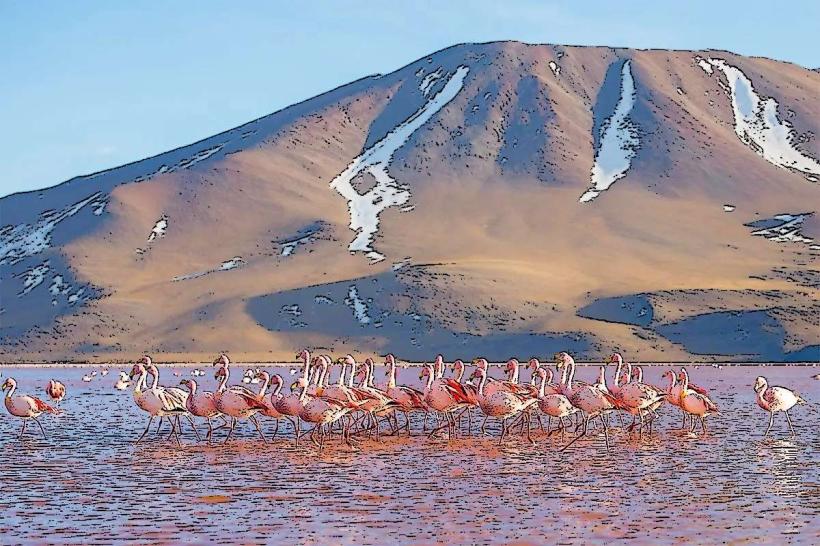
In southwest Bolivia, Salar de Uyuni stretches like a white ocean under the sky, the world’s largest salt flat and one of the country’s most stunning natural landmarks, spanning about 10,582 square kilometers (4,086 square miles), then perched about 3,656 meters (11,995 feet) above sea level, Salar de Uyuni dazzles the eye with its endless white flats and sustains the region’s ecosystem and economy.It’s one of Bolivia’s busiest tourist spots, drawing travelers to a landscape so strange and vast it feels like walking on another planet, not only that salar de Uyuni formed from the vast prehistoric Lake Minchin, a body of water that shimmered under the sun some 30,000 to 40,000 years ago.Over the years, the lake dried up, leaving a shimmering salt crust that now stretches in a flat, blinding sheet across the salar, subsequently right now, a crust of salt stretches across the surface, hiding an underground reservoir filled with brine heavy with lithium.The salar stretches out in a flat, blinding sheet of white, disappearing into the horizon and, in the rainy season, turns into a vast mirror that reflects the sky like glass, also natural cracks split the salt crust into sharp, angular shapes, like shards of white tile under the sun.People call the salar surreal, especially when the air is still and the ground mirrors the sky, therefore ecological and Geological Features The salar’s ecosystem dazzles the eye with its shimmering salt flats and holds vital importance for the region’s delicate balance of life.Beneath the brittle white crust stretches a vast pool of saltwater, and the site now teems with life, drawing flocks of migratory birds to rest and feed, on top of that number one, almost Flora and Fauna Beneath the salar’s cracked white crust, life thrives-three kinds of flamingos, James’s, Andean, and Chilean, sweep the shallow water with their beaks when the wet season floods the flats, to boot this stretch of coast is vital for the birds, where they nest in the grass and hunt for food along the shore, occasionally Viscachas are slight, rabbit-like rodents that dart among the sun-warmed rocks at the edge of the salar, subsequently you’ll also spot llamas, alpacas, guanacos, and the occasional fox wandering through the region.To be honest, Around the salar, tufts of dry grass cling to the cracked earth, creating a harsh yet captivating home for these species, on top of that number two.The Salar de Uyuni holds one of the world’s largest lithium reserves, a silvery mineral now essential to modern tech-from powering electric cars to keeping your smartphone alive, to boot beneath the salt crust lies lithium-rich brine, a resource so prized it’s drawing serious attention from around the world.From November to March, heavy rains flood the salar, turning it into a vast mirror that reflects the sky like polished glass, along with a shallow sheet of water spreads across the salt flats, mirroring the pale blue sky and the distant line of jagged hills.From what I can see, The sight is striking-like a mirror stretching to the horizon-giving the salar an endless, almost dreamlike quality, then that’s when photographers and tourists pour into the salar, chasing its glassy, mirror-like reflections.From April to October, the dry season bakes the salar until it hardens, the salt crust gleaming white and stretching flat, its surface split with thin, jagged cracks, then in the dry season, the salar sprawls for miles, its cracked white surface forming vast geometric patterns that draw photographers eager to capture strange angles and shimmering mirages.Salar de Uyuni ranks among Bolivia’s top destinations, drawing visitors with guided tours across its vast white expanse and side trips to vivid spots like the brick-red Laguna Colorada, emerald Laguna Verde, and the rugged landscapes of Eduardo Avaroa National Park, while most tours last one to three days, giving visitors time to roam the endless salt flats, wander through the rusting train graveyard near Uyuni, and snap photos of the otherworldly scenery shimmering in the sun.In the heart of the salt flats, Isla Incahuasi-often called Fish Island-rises as a rocky mound bristling with towering cacti, some as tall as a minute house, also from the island, you can witness the salt flats stretch out like white glass to the horizon, and it’s a must-stop for anyone on a salar tour.Just beyond the salar, you can wander into the Andean highlands, where steam curls from warm springs, volcanic craters rise against the sky, and quiet blue lagoons shimmer in the thin mountain air, to boot close by, Eduardo Avaroa National Park offers more striking views, from the rust-red waters of Laguna Colorada to the steaming vents of the Sol de Mañana geothermal field.In Uyuni, you can spend the night in a salt hotel, where even the bed frames and thick, grainy walls are built from solid blocks of salt, simultaneously these hotels let you soak up the local culture and run your hands over walls built from sun-baked clay and rough-hewn timber.Watching the sun spill gold across the salt flats at dawn, and then sink in a blaze of orange at dusk, is nothing short of breathtaking, alternatively sunlight dances across the white salt crust, casting an otherworldly glow, and the colors shift sharply-from pale gold to rose-as the sun glides overhead.It appears, If you want the best experience, come in the dry season-April through October-when the salt flats are firm underfoot and the sun brings out their strange, perfect hexagons, on top of that from November to March, the rainy season turns the ground into a glassy sheet of water-perfect for photographers chasing that mesmerizing mirror effect.Accessibility: Uyuni serves as the main gateway to the salar, with dusty streets that lead travelers straight toward the endless white expanse, in turn you can get there from La Paz or Santa Cruz by bus, train, or even hop on a plane that hums low over the mountains.From Uyuni, you can quickly book a tour to the vast salt flats and nearby sights-some operators even have photos of flamingos taped to their office windows, in addition in Uyuni, you’ll find places to stay for every budget, from simple hostels with creaky wooden floors to sleek salt hotels where even the walls sparkle.In short, if you want to observe one of the world’s most breathtaking landscapes, you’ve got to visit Salar de Uyuni, where the endless white salt flats gleam like snow under the sun, consequently its wide, open stretch shimmers under the sun, its beauty and rare ecology leaving it etched in memory, roughly In the dry season, travelers wander across the salar’s cracked white crust, its hexagons sharp under the sun; in the rains, they stand awestruck as the sky turns the ground into a silver mirror-either way, Salar de Uyuni captures Bolivia’s wild beauty and mystery in a way you’ll never forget.
Author: Tourist Landmarks
Date: 2025-09-18